
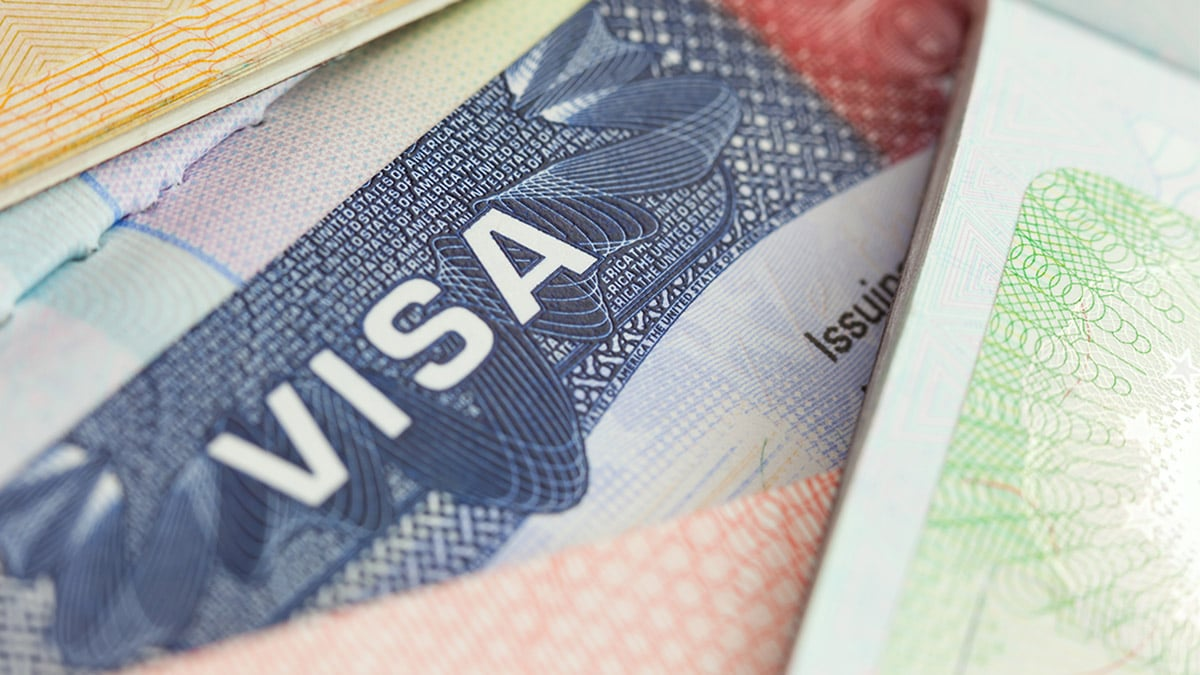
Something about a U.S. visa announcement turns everyone into a foreign policy analyst overnight.
Suddenly, timelines are full of takes about sovereignty, retaliation, blacklisting, sanctions, leverage, international law. Words are being used very confidently. Sometimes interchangeably. Occasionally incorrectly. Always passionately.
I don’t say that to mock anyone. Anxiety makes experts out of all of us. When something threatens mobility, dignity, or opportunity, people scramble for understanding. That’s human.
But it’s worth pausing long enough to separate what feels alarming from what is actually happening.
Here’s the unfun part, stated plainly. The United States controls its borders. Always has. Always will. Visa regimes are not reciprocal arrangements built on vibes or fairness. They are policy tools. Sometimes blunt ones. Sometimes targeted. Sometimes expanded quietly. This isn’t new, and Antigua is not uniquely singled out in the global context, even if it feels personal locally.
What is new is how fast information moves and how quickly uncertainty fills the gaps. When official explanations are thin, speculation rushes in. Everyone becomes a strategist because nobody wants to feel powerless.
So let’s ground this a bit.
This is not something the average citizen can protest into reversal. It is not something a viral post fixes. It is not resolved by threats of “we should do the same.” Countries don’t negotiate visas on Facebook.
What realistically happens next is slower and far less dramatic. Diplomatic engagement. Clarification. Quiet pressure behind closed doors. Governments talk. They always do. Sometimes the outcome is visible. Sometimes it isn’t, but the temperature lowers.
In the meantime, panic doesn’t help anyone. Neither does pretending this is the end of travel, dignity, or opportunity. It isn’t.
What does help is understanding scale. This affects some people, not everyone. It introduces barriers, not bans. It complicates processes, it doesn’t erase them. And like many policies, it will evolve, be reviewed, and likely adjusted over time.
It’s okay to be concerned. It’s okay to ask questions. It’s even okay to be frustrated. But we don’t all need to become junior diplomats before breakfast.
Sometimes the most useful thing we can do is breathe, wait for facts, and remember that international politics is mostly boring, procedural, and slow, even when it feels loud and personal.
Side note to self included.